Specialty Coffee in Puchong
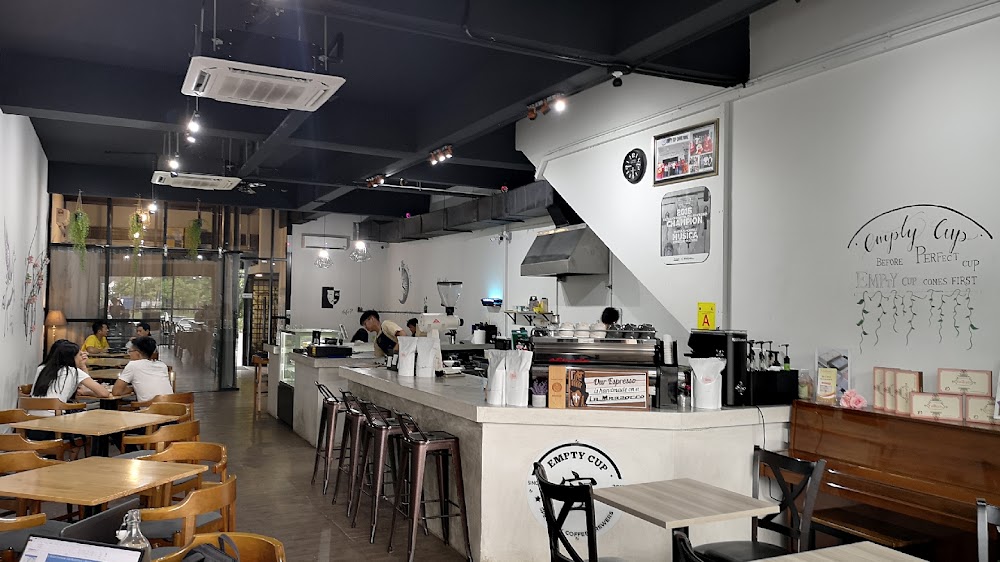
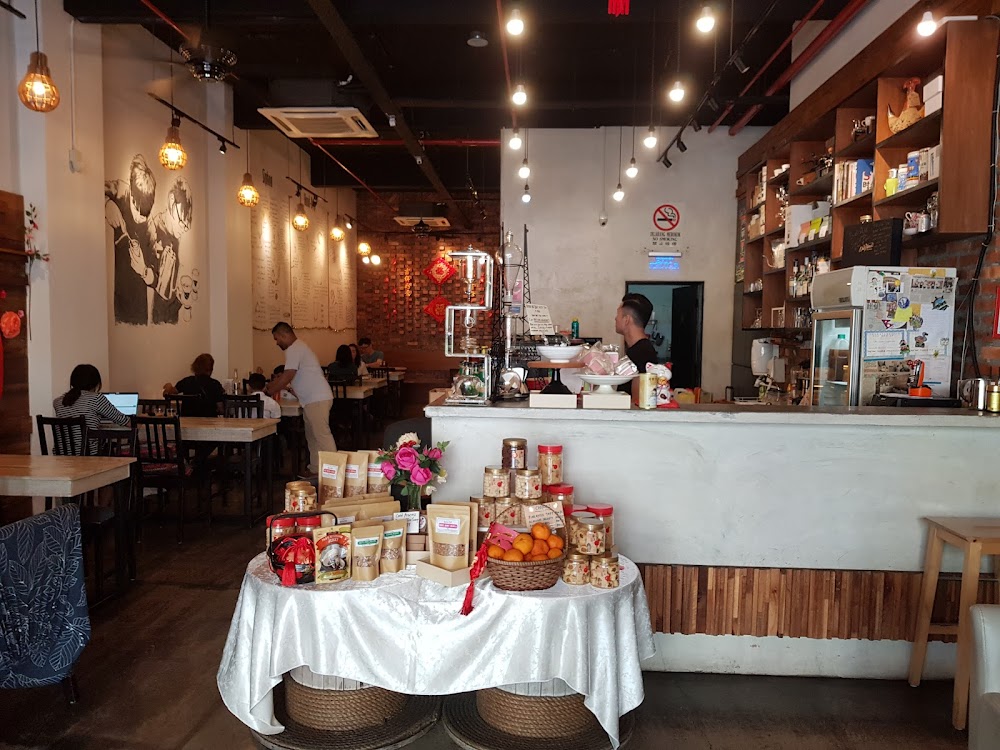
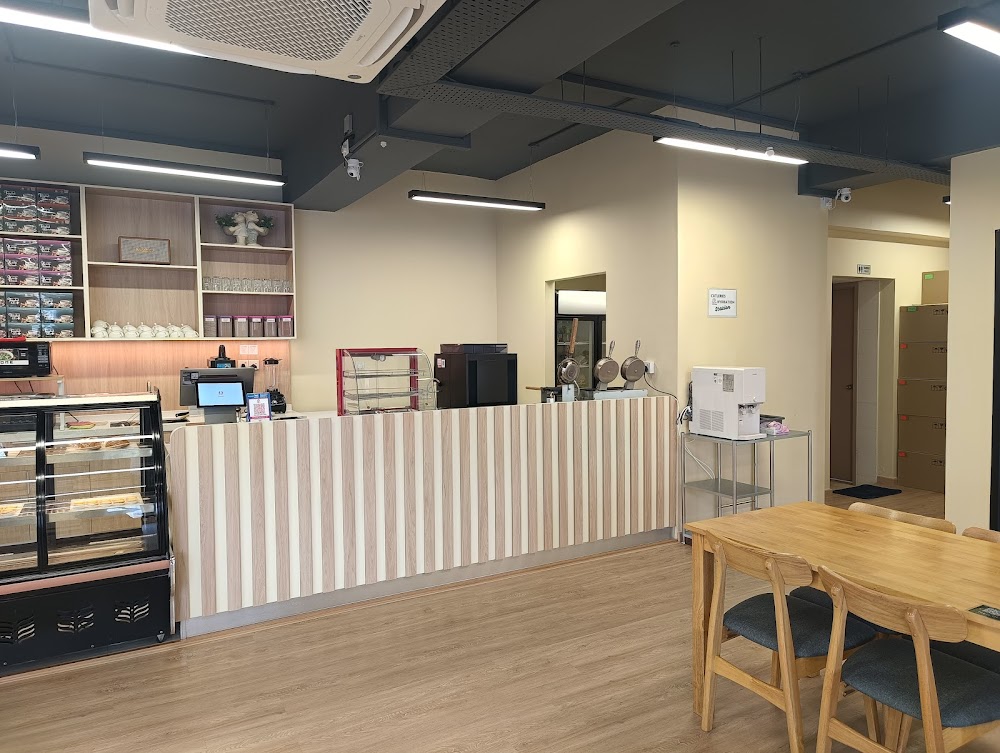
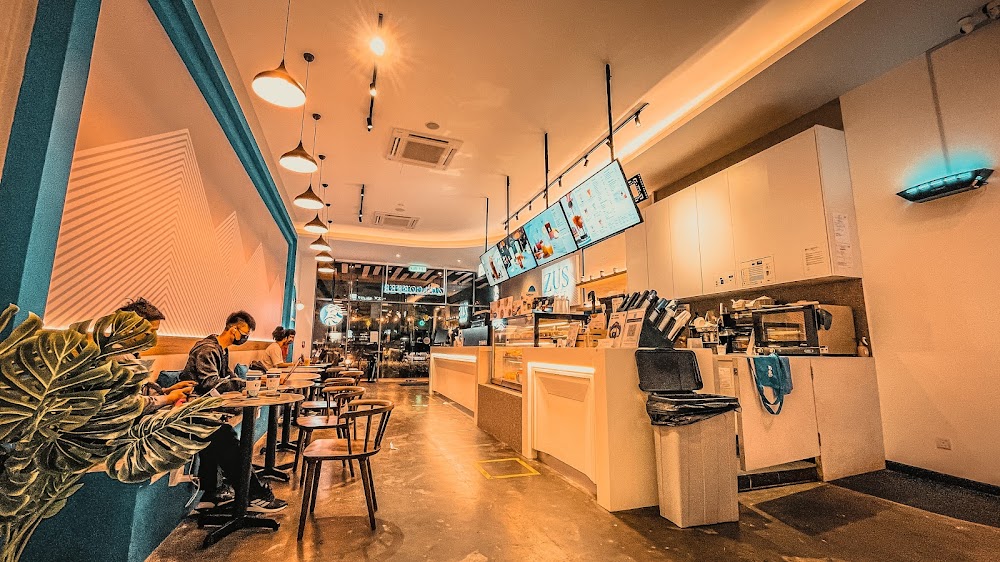
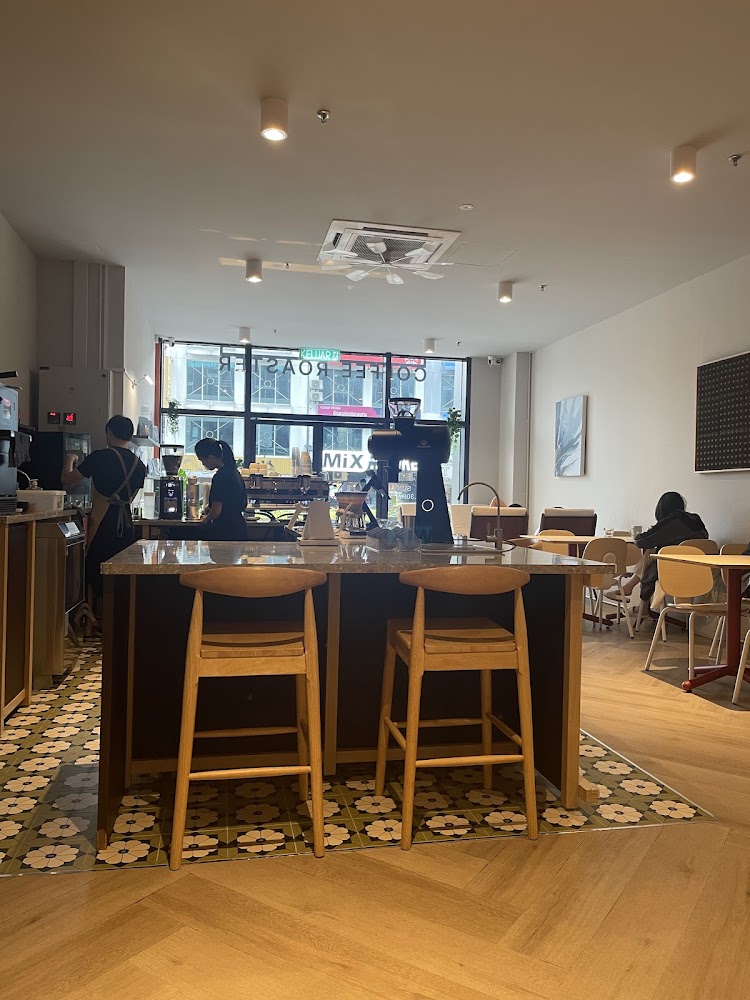
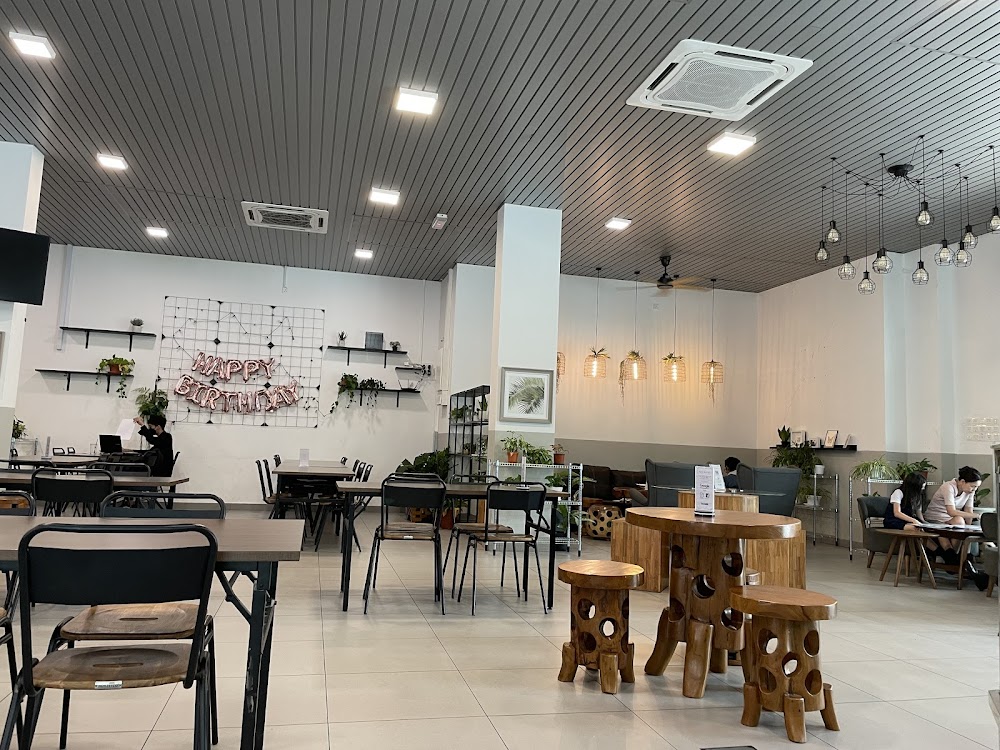
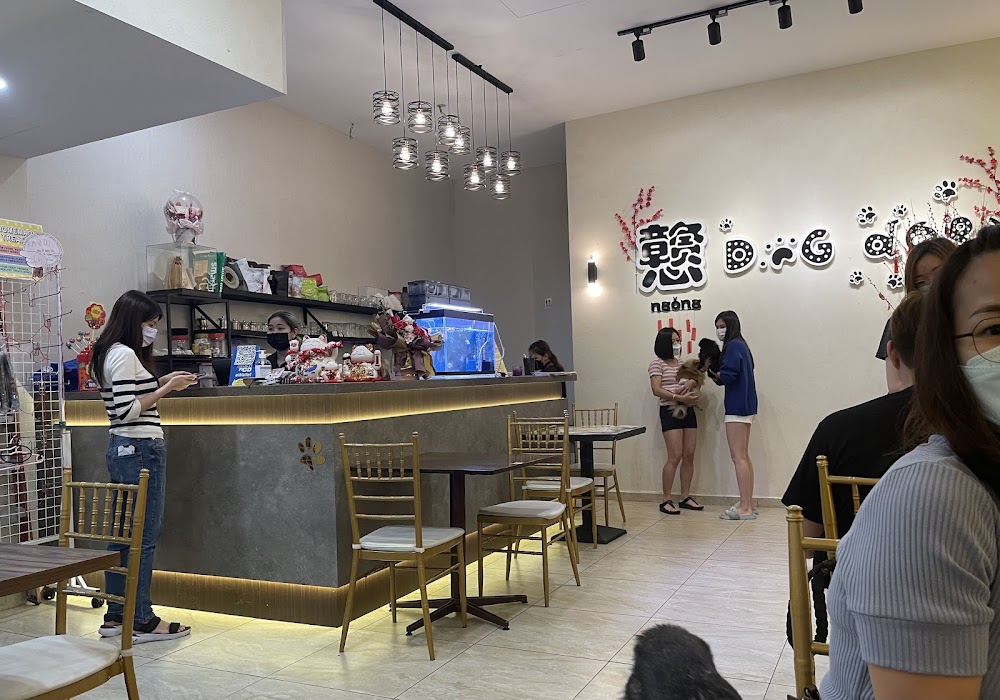
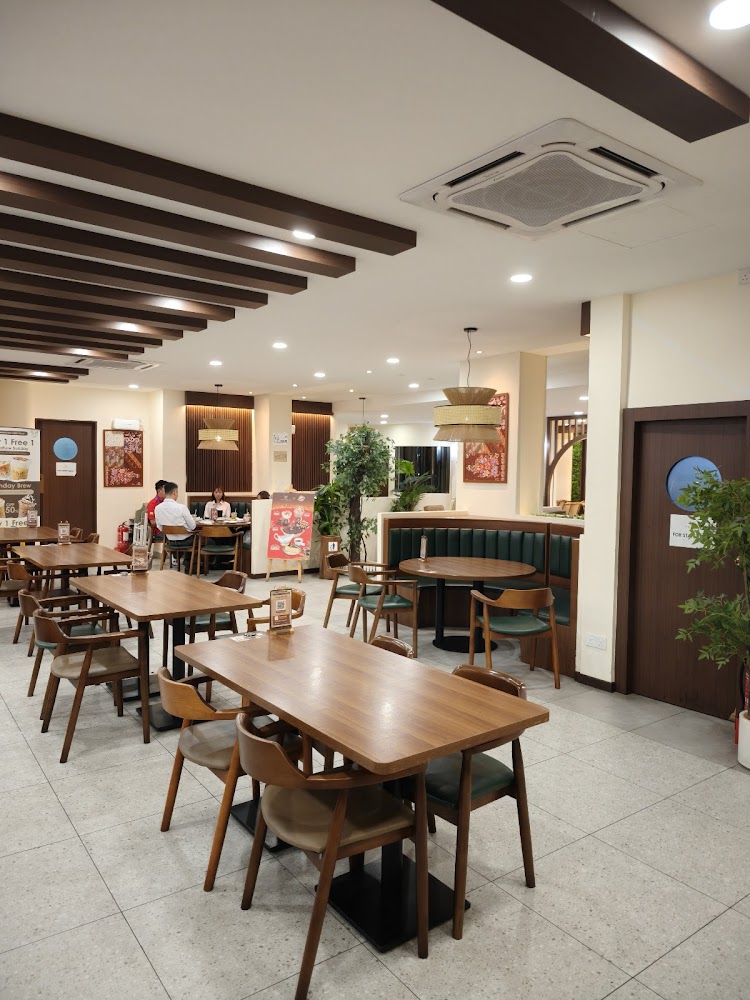
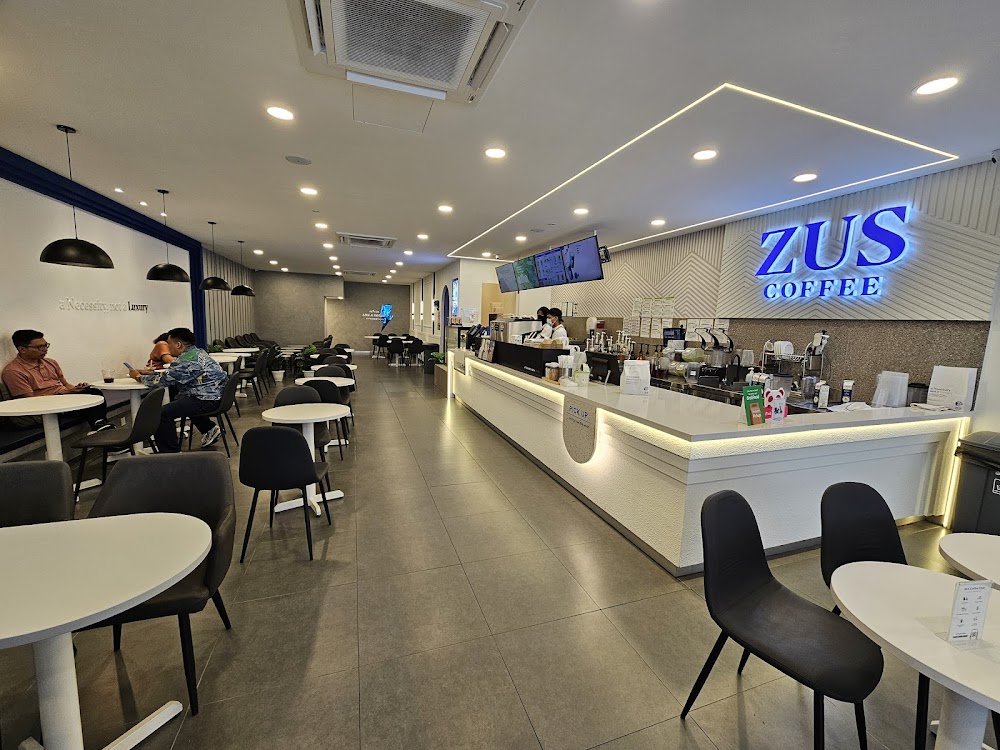
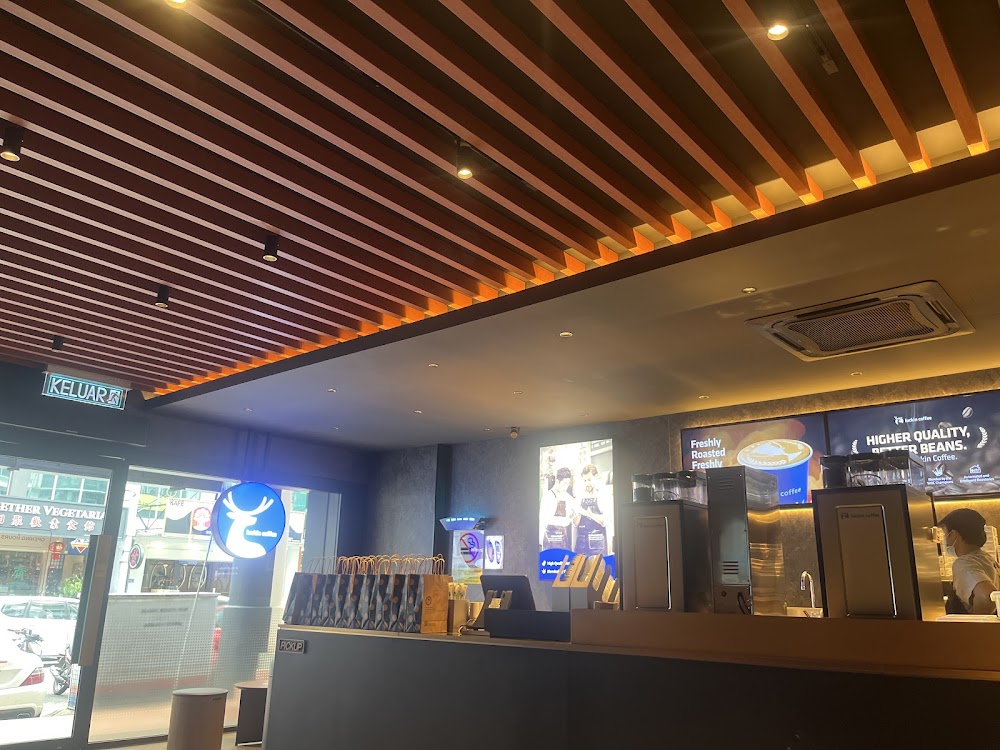
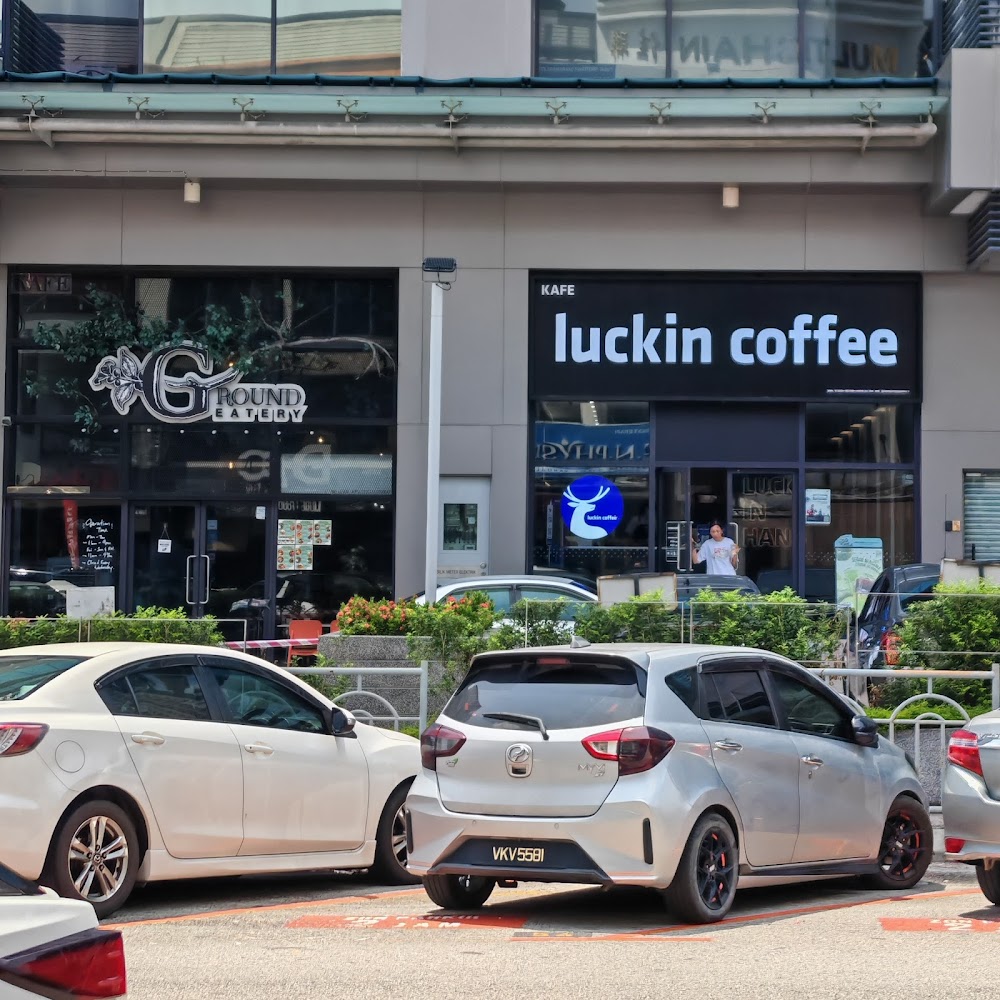
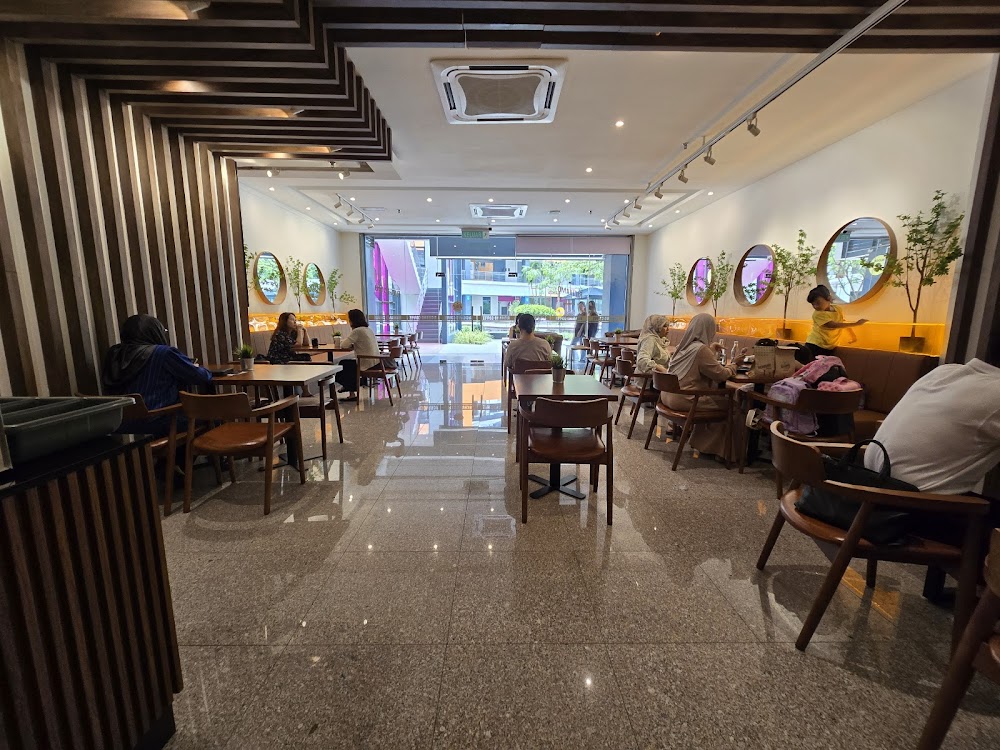
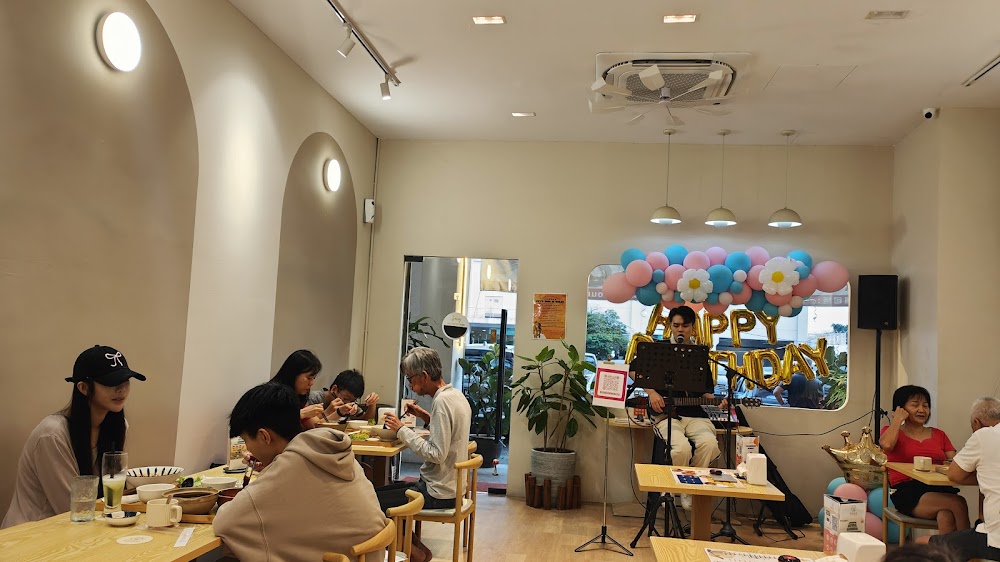
Specialty coffee means beans graded for quality (usually scoring 80+ on the SCA scale), sourced from identifiable farms or regions, and roasted in small batches to bring out specific flavor notes rather than just caffeine punch. In Puchong, this covers everything from single-origin pour-over bars in Bandar Puteri to third-wave cafes doing their own roasting in IOI Boulevard and Puchong Jaya, plus a growing number of shops running house blends for espresso alongside guest roasts from KL-based roasters. We've tracked down 93 of these across the area, ranging from tiny counter-only operations to full cafes with in-house roasters on display.
What to look for
Freshness matters more than branding. Beans should have a roast date printed on the bag, ideally within the last two to four weeks. Ask what's on pour-over that week and whether staff can talk you through the flavor notes without sounding scripted. Good grinders (not just good espresso machines) are a reliable tell, since stale or wrongly-ground beans ruin even the best origin coffee. Milk-based drinks should still taste like coffee first, not just sweet foam.
How we score
Our rankings weigh bean sourcing and rotation, brewing consistency, barista knowledge, and overall value against what's charged. The full breakdown of criteria is on our methodology page. If you want the shortlist instead of scrolling through all 93, check the ranked guide to Puchong's best specialty coffee for the top picks and why they made the cut.
All specialty coffee, by score
93 businesses. Filter and sort below, or open the full map view.
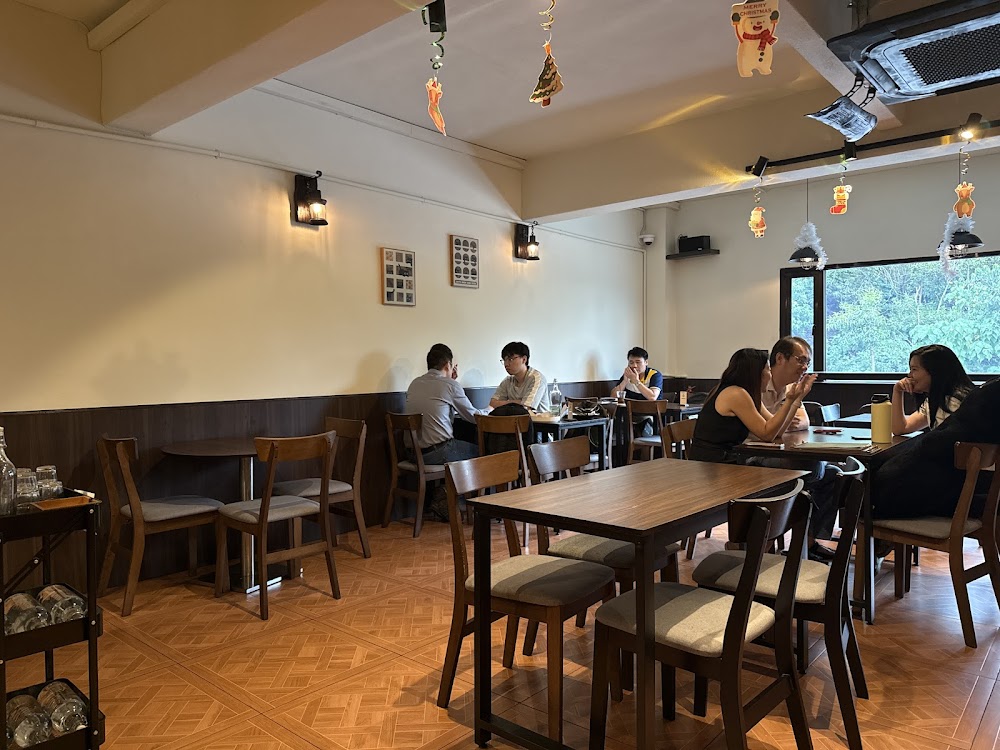
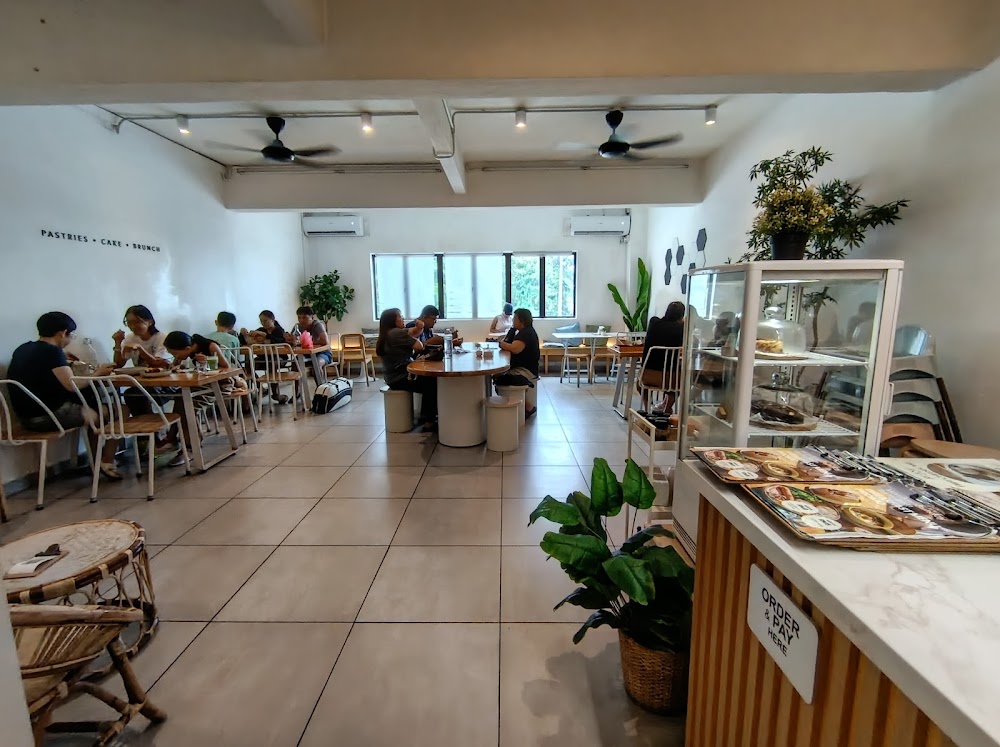
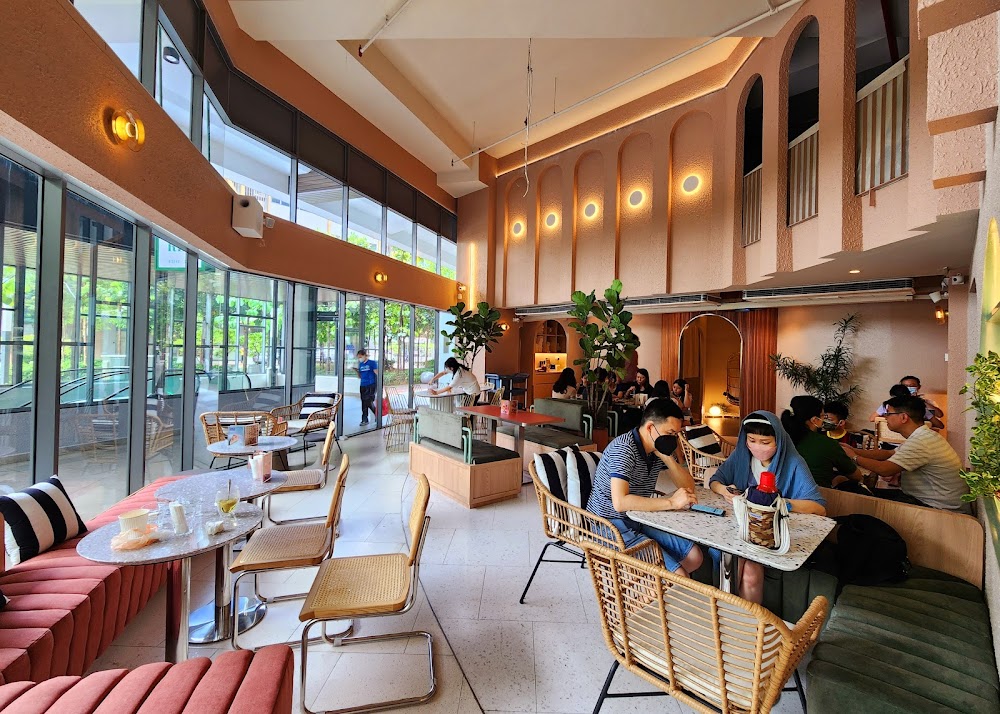
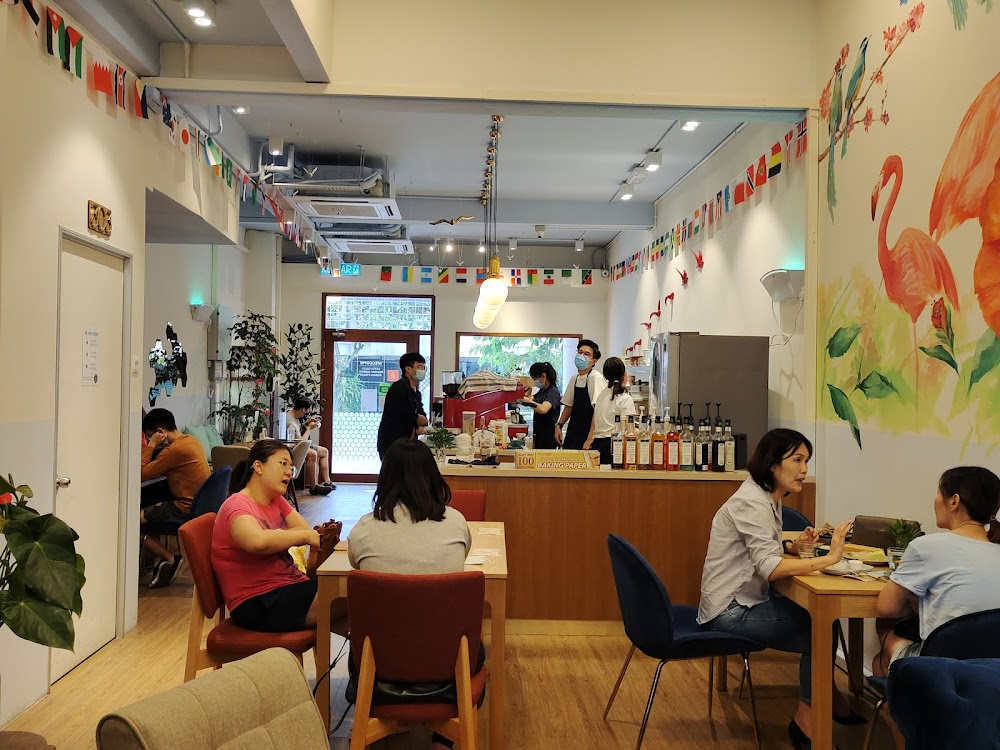

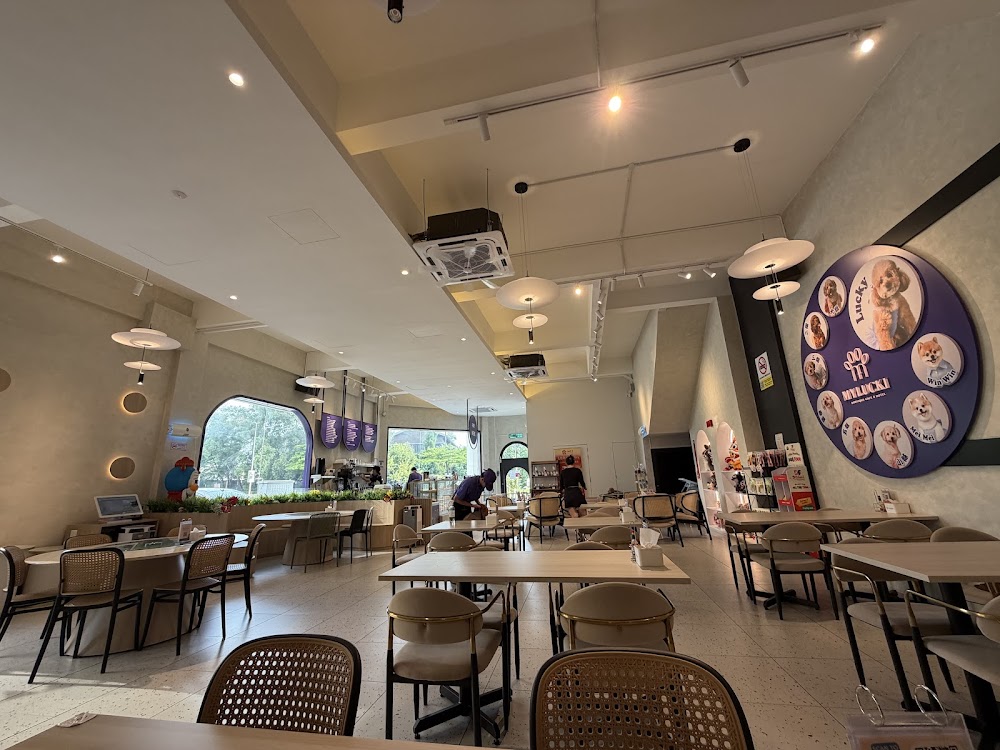
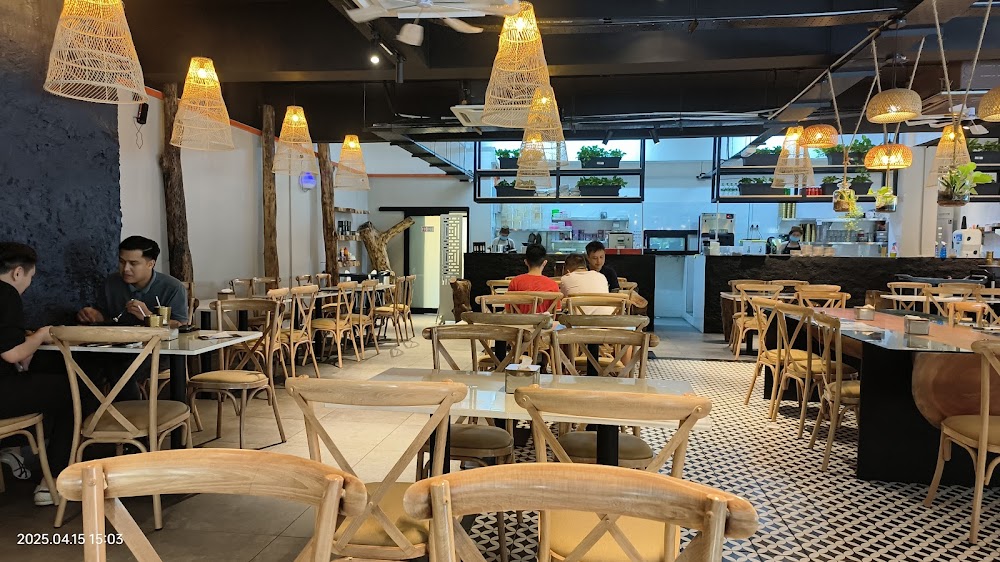
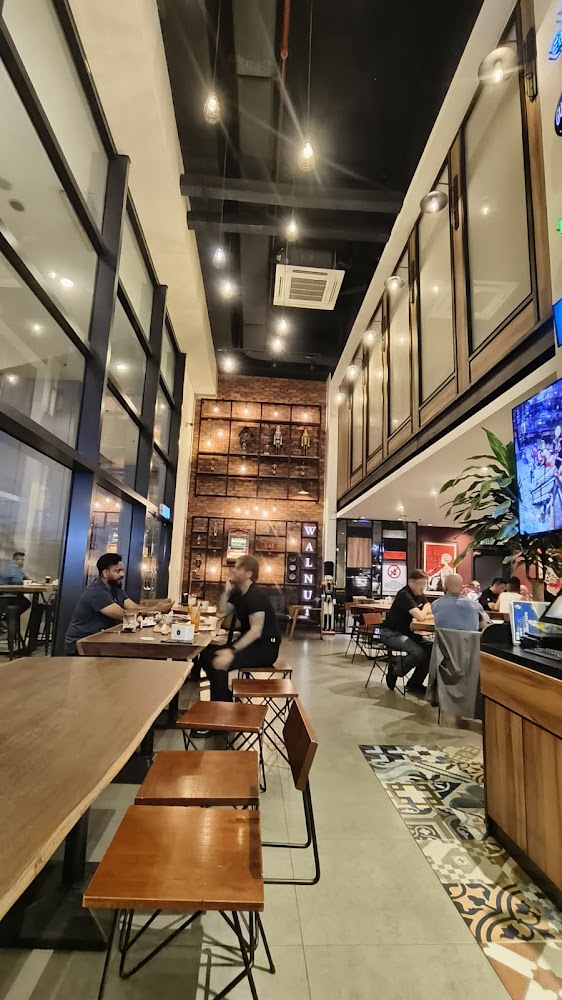
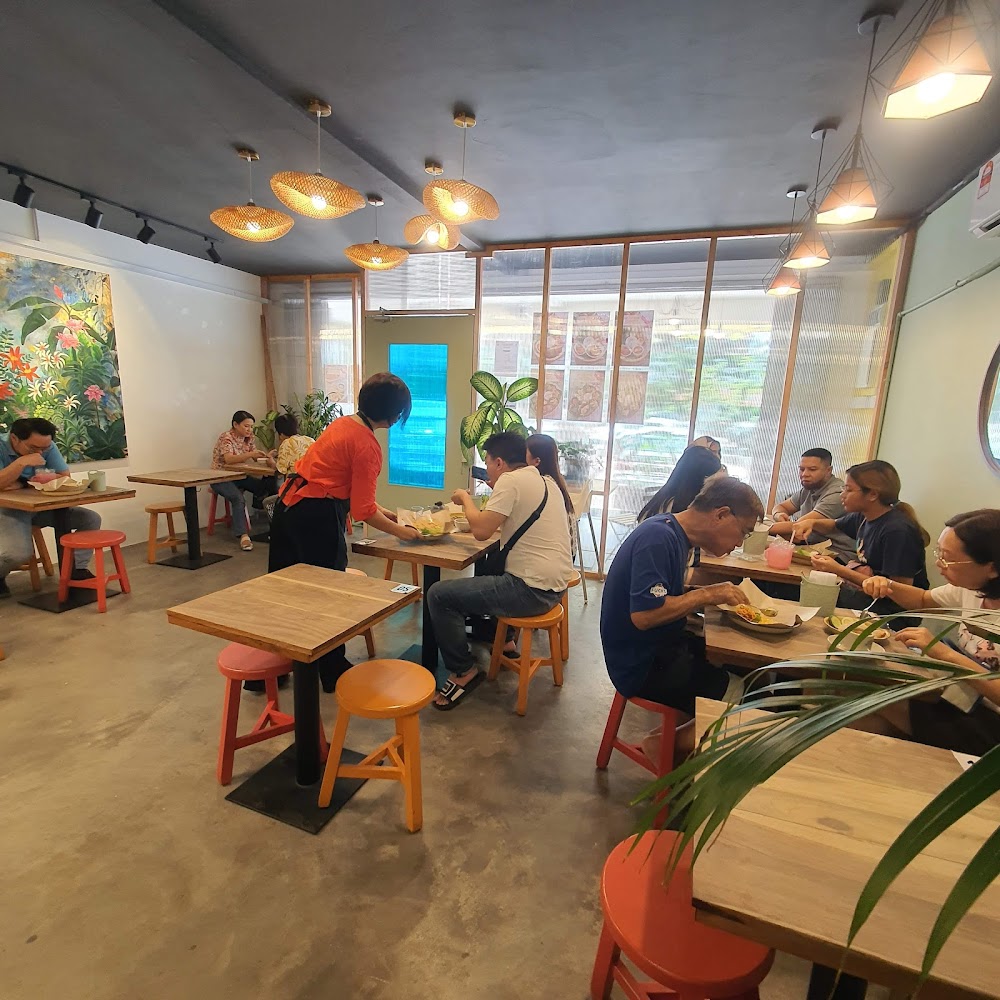
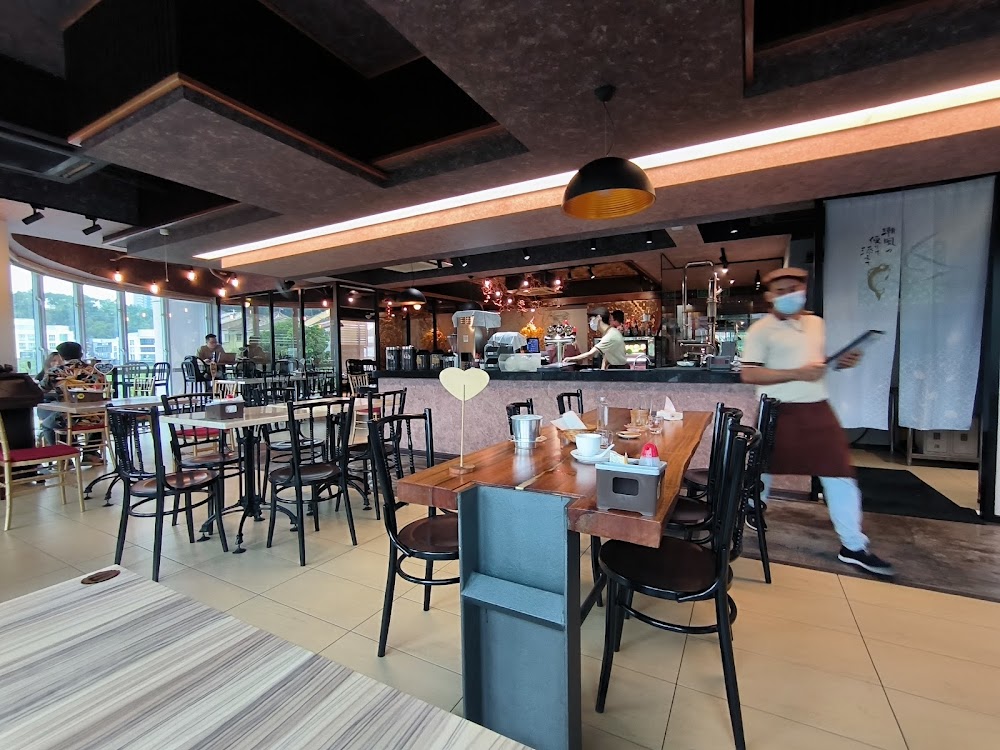
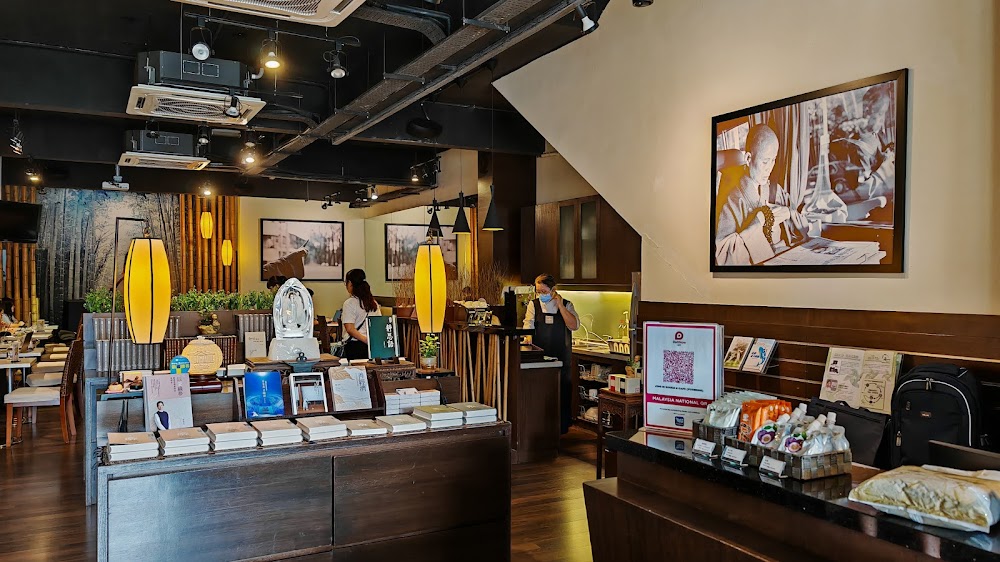

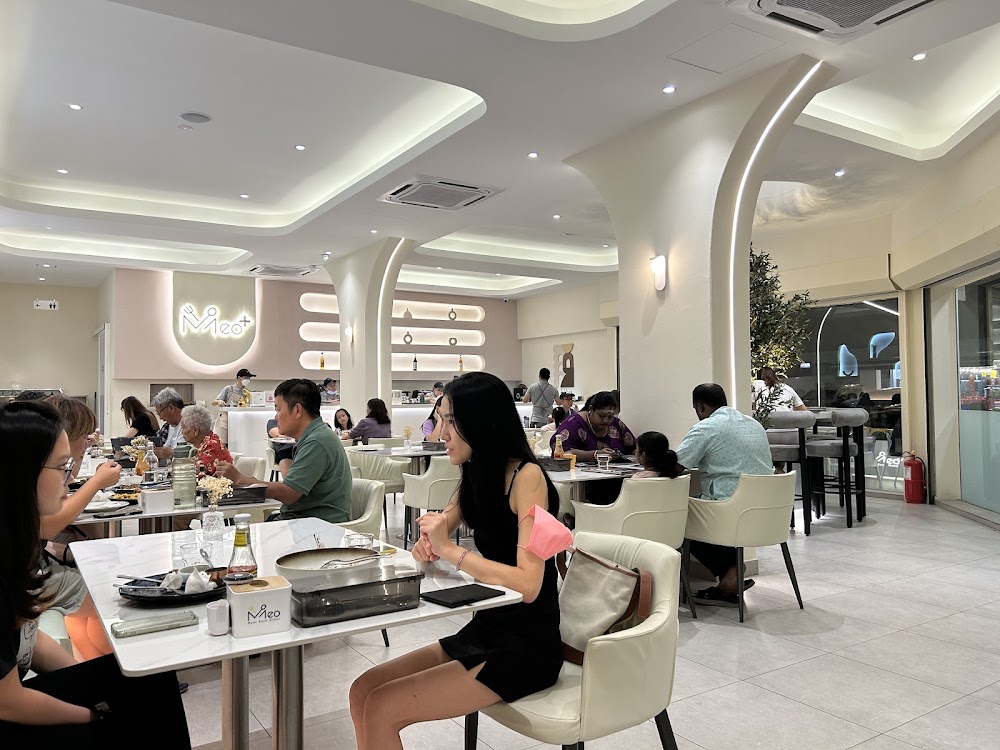
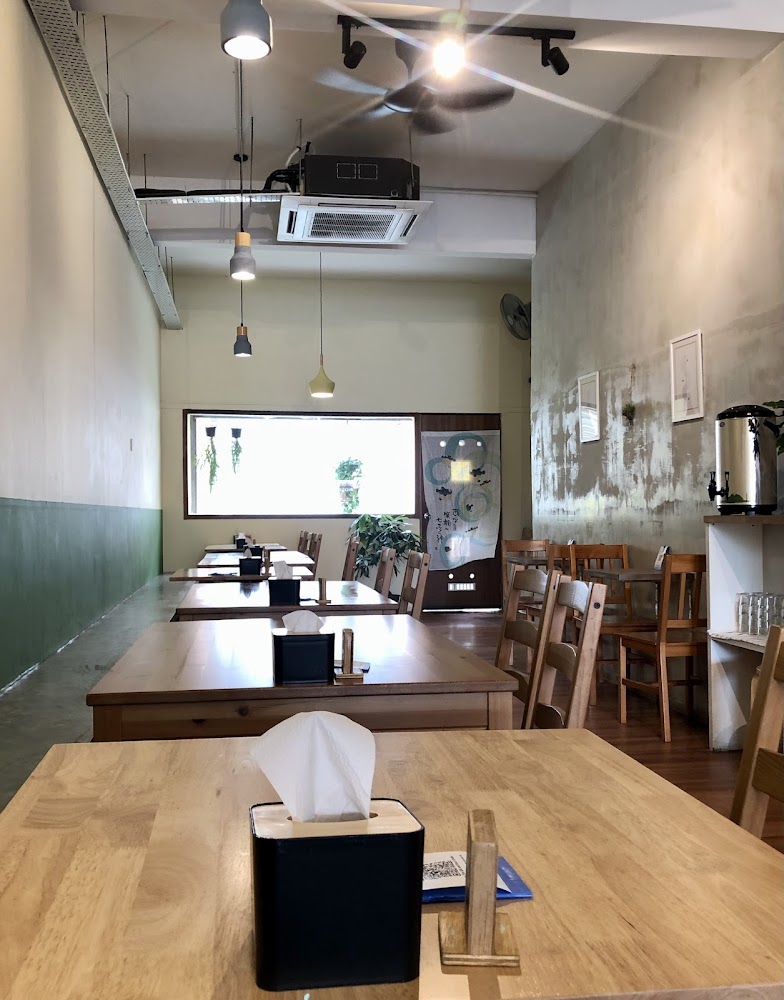





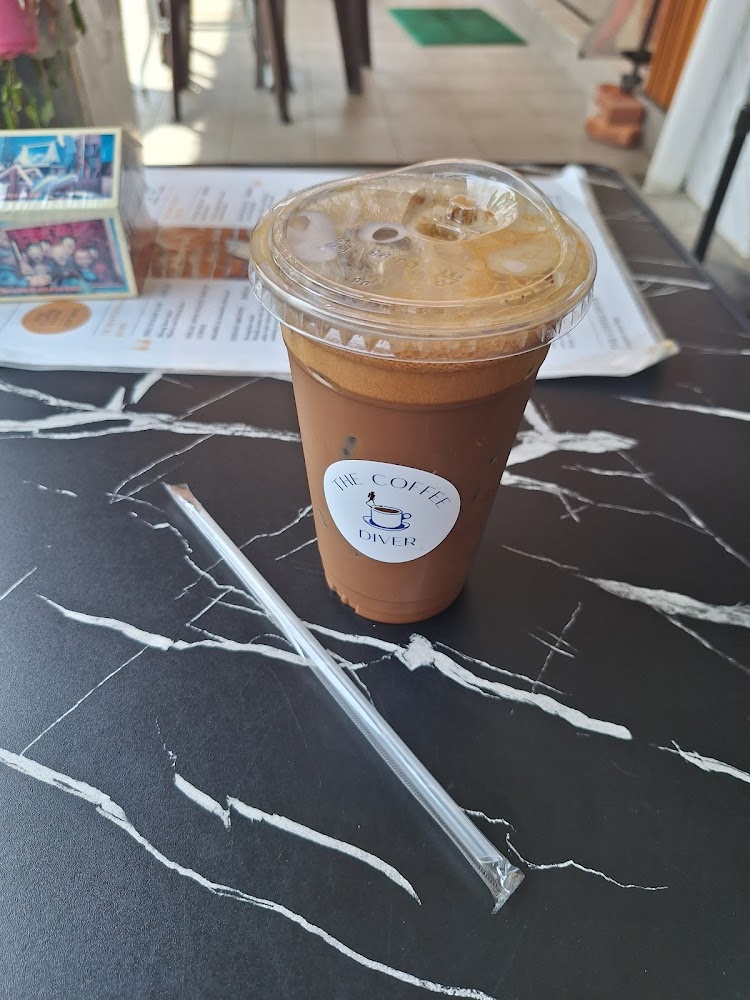
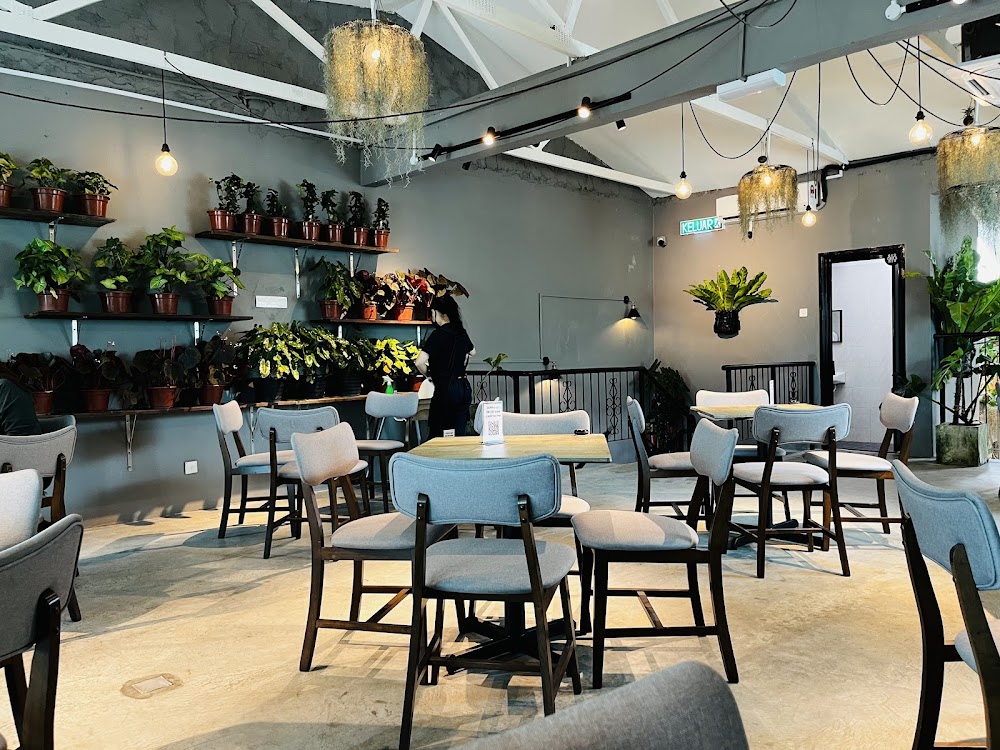
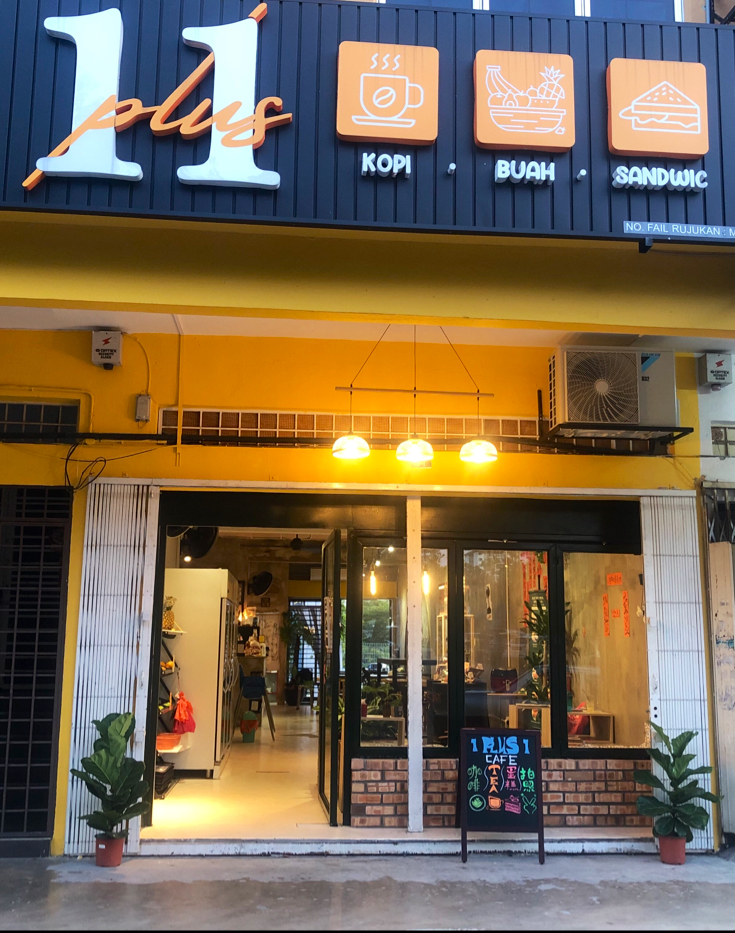

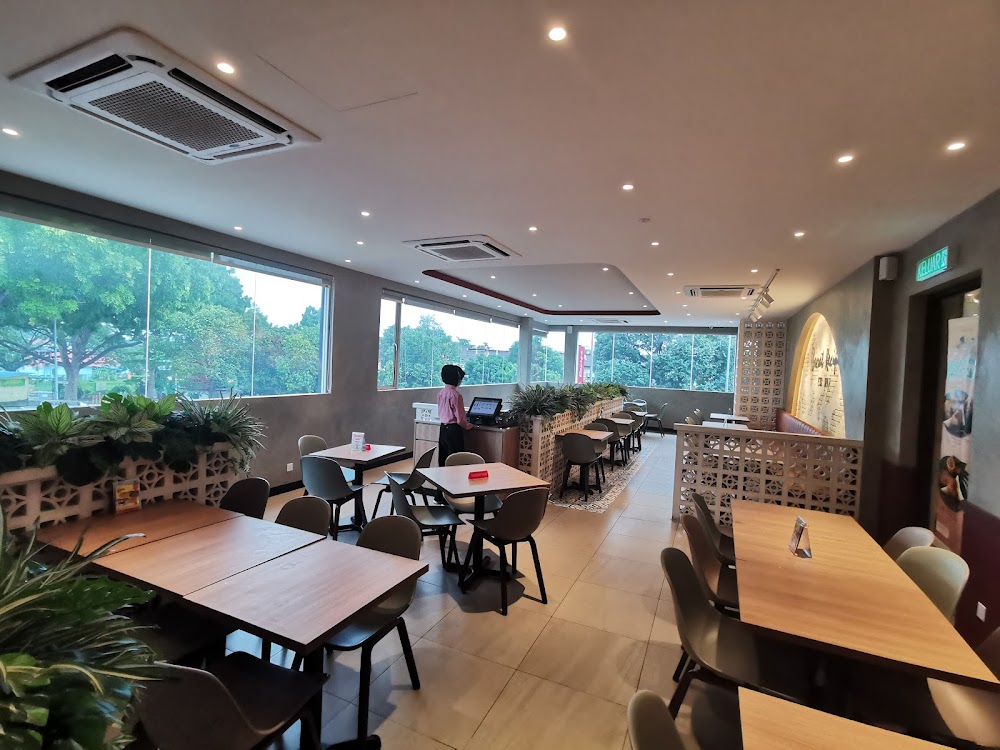

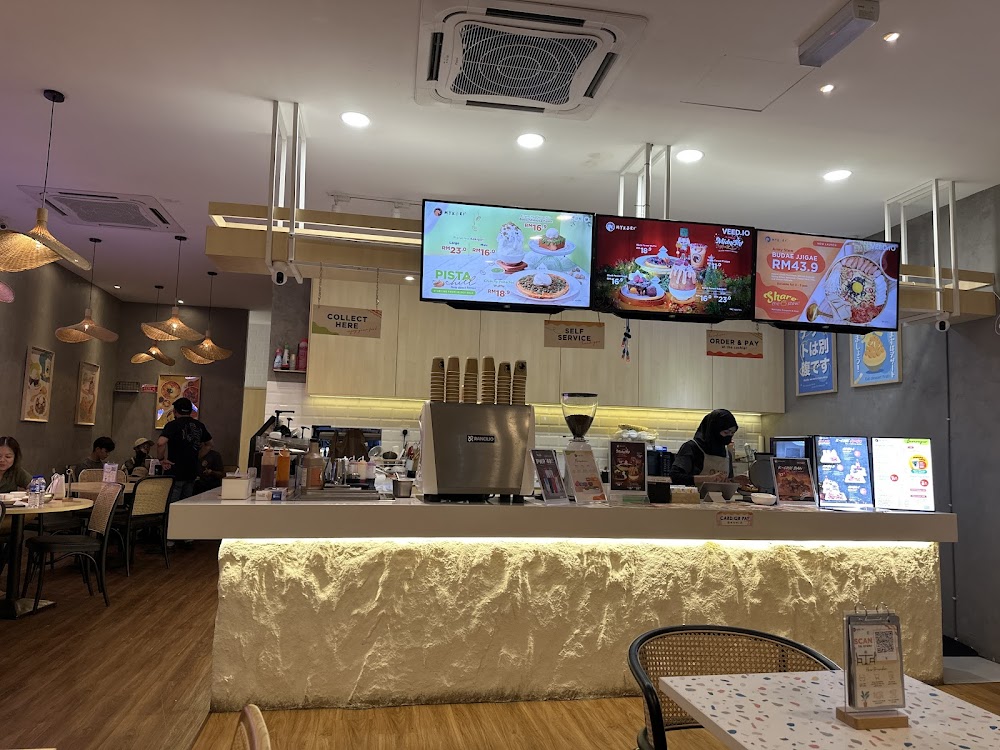
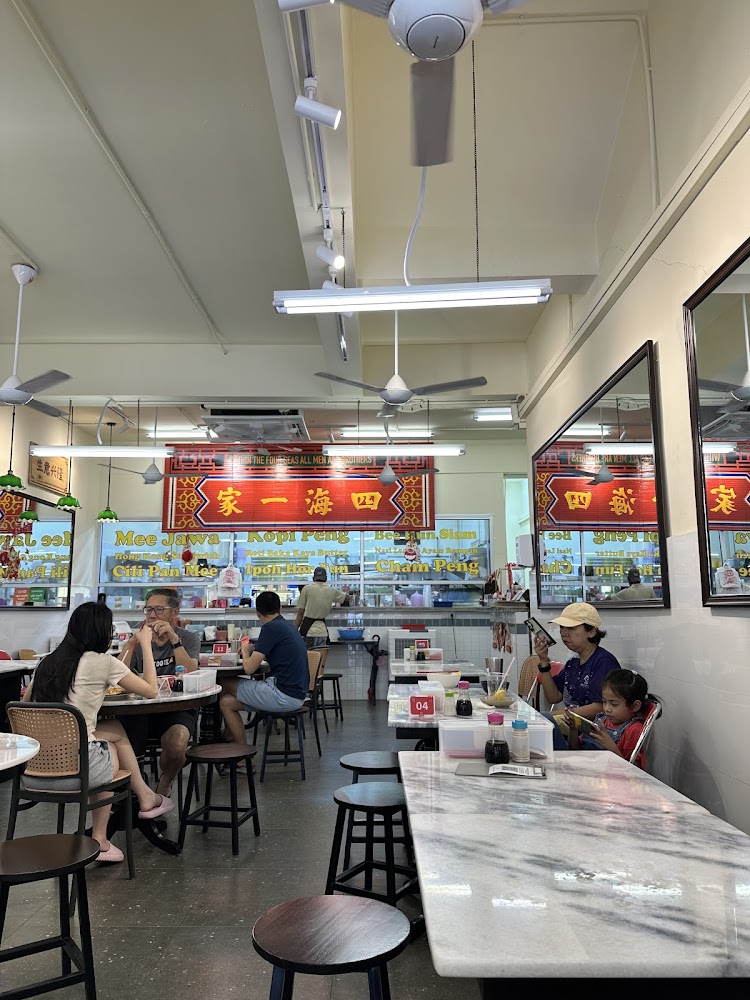
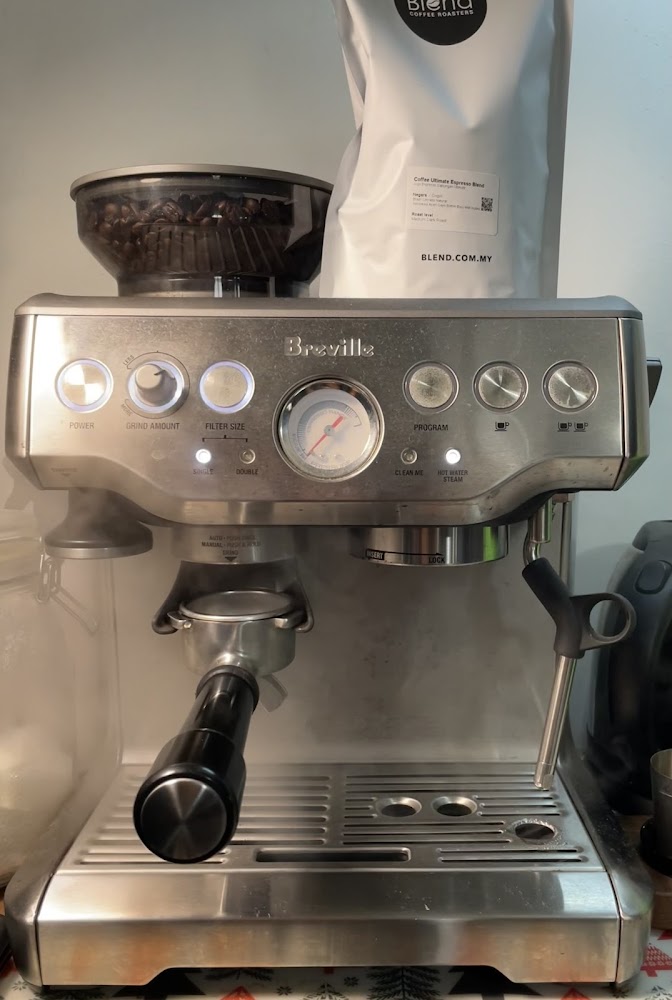
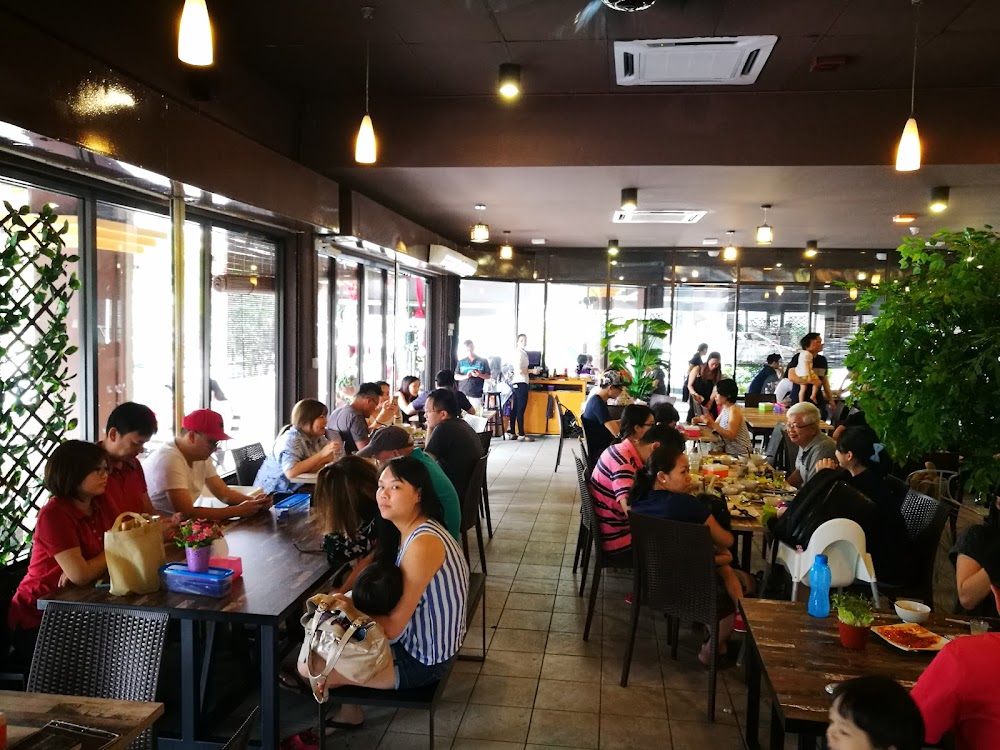


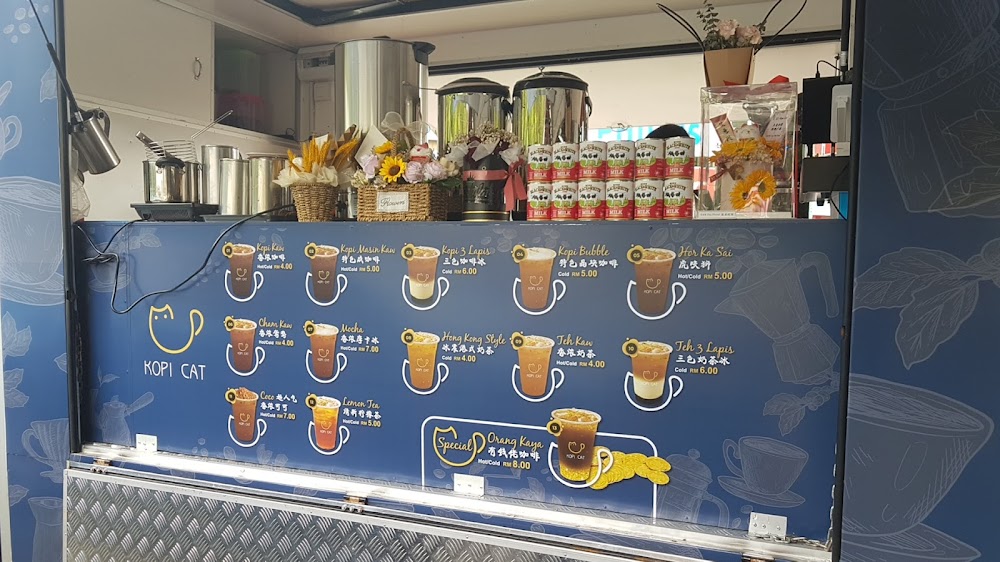
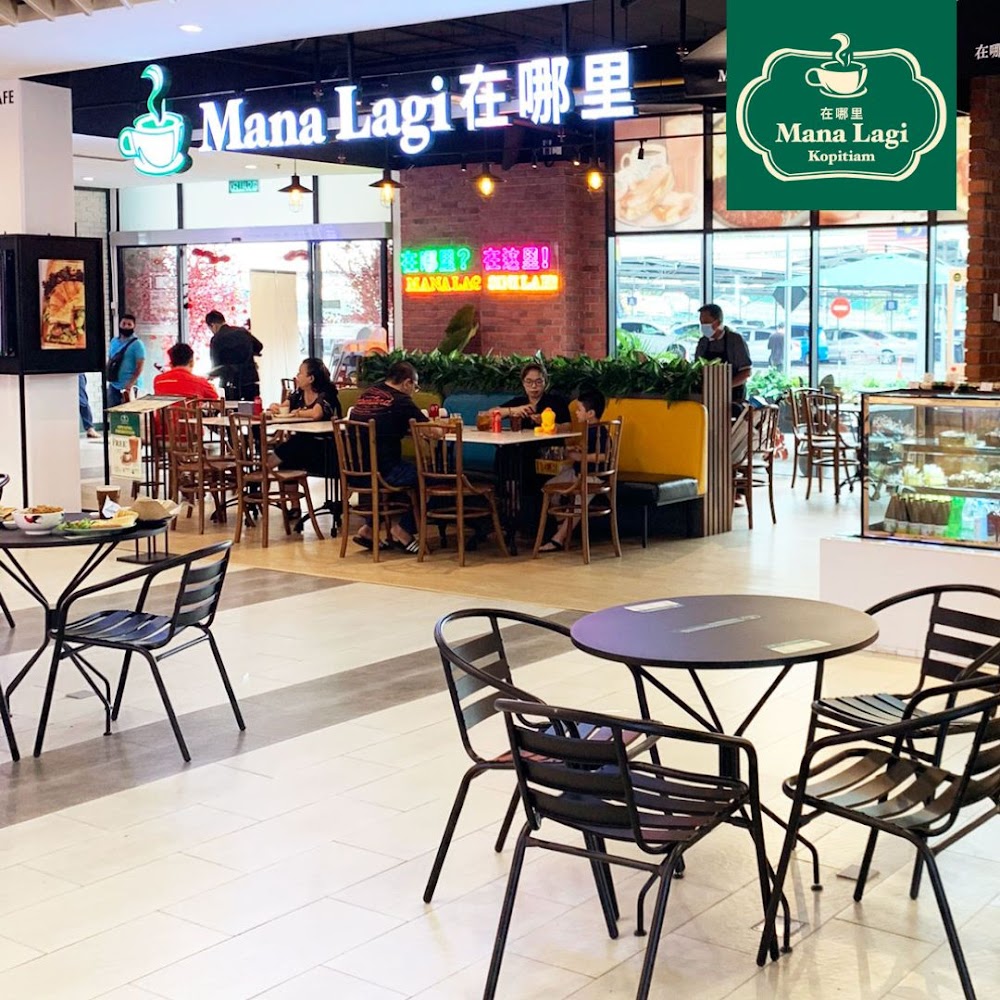
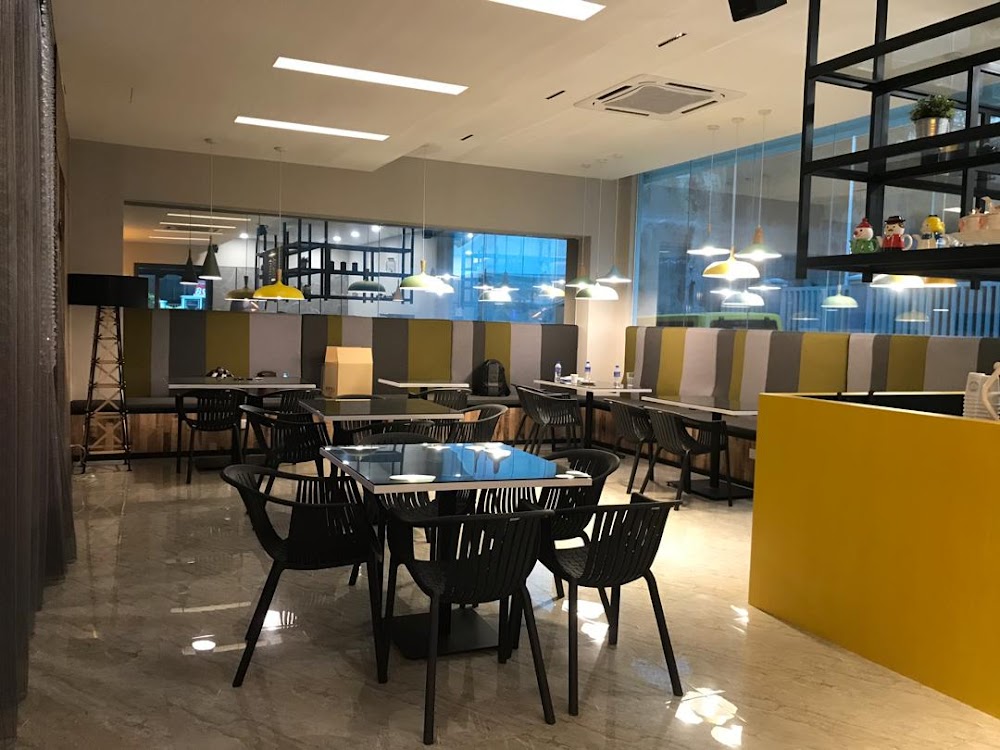
Common questions about specialty coffee
- How much does specialty coffee cost in Puchong?
- Expect roughly RM12-18 for a black coffee like espresso or pour-over, and RM14-22 for milk-based drinks such as flat white or cortado. Single-origin pour-overs from rarer lots can run higher, sometimes RM20-30, depending on the bean's cost and rarity.
- What's the difference between specialty coffee and regular kopitiam coffee?
- Kopitiam coffee typically uses cheaper robusta beans roasted with sugar or margarine for a dark, bitter, kopi-style cup, served with condensed milk. Specialty coffee uses higher-grade arabica or fine robusta beans, roasted to highlight natural flavors, and is brewed with more control over ratios, temperature, and extraction time.
- How do I judge if a cafe's coffee is actually good quality?
- Check for a visible roast date, ask if beans are rotated regularly rather than sitting for months, and taste for balance rather than just bitterness or sweetness. A well-pulled espresso should have a thick, reddish-brown crema and no harsh burnt aftertaste. Staff who can explain the origin and process (washed, natural, honey) without hesitation are usually a good sign.
- How often do specialty cafes change their coffee beans?
- Most rotate single-origin offerings every few weeks to a couple of months, depending on availability, while house espresso blends tend to stay more consistent so regulars get a familiar taste. If a cafe hasn't changed its guest coffee in six months, it's worth asking why.